Article Read Time

If you run a small business, you’ve probably felt the pull in two directions: keep posting organically and hope the algorithm rewards you, or open your wallet and pay to be seen. Neither instinct is wrong, but neither is complete. The real question isn’t organic or paid, it’s how to use both without burning time and budget on tactics that don’t move the needle.
Let’s cut through the noise.
The Uncomfortable Truth About Organic Reach
Here’s something the social platforms don’t advertise: organic reach has been shrinking for years, and it’s not coming back.
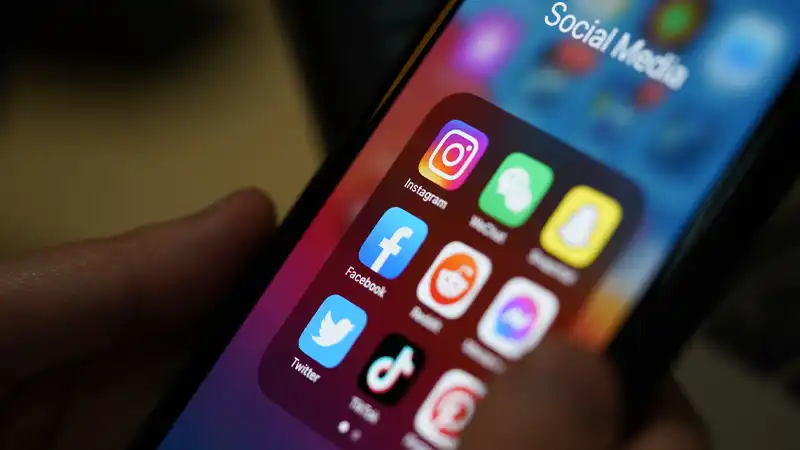
Facebook business pages that once reached 16% of their followers organically now routinely reach 1–3%. Instagram has followed a similar path. LinkedIn, long considered the last holdout for organic reach, is tightening its algorithm too. Even TikTok, the platform that felt like a great equalizer for small creators, is showing signs of the same pay-to-play drift as it matures.
This isn’t a glitch. It’s the business model. Social platforms are publicly traded companies with shareholders to answer to. Organic reach declines because it creates the demand for paid advertising. That’s not cynicism; that’s just how the economics work.
So does that mean organic is dead? Not at all. It means you need to be realistic about what it can and can’t do for you.
What Organic Social Is Actually Good For
Organic content is your credibility layer. When a potential customer hears about your business and looks you up, your social presence is often the first thing they’ll check. A dormant or inconsistent feed signals that something’s off. Regular, authentic posting tells people you’re active, you know your space, and you’re worth a second look.
Organic is also where relationships live. Responding to comments, joining conversations, and sharing content that reflects your values, none of that requires a budget. It requires consistency and a genuine voice.
Think of organic as the foundation. It won’t get you in front of new audiences at scale, but it keeps the lights on for the people already paying attention.
What Paid Social Can Do That Organic Can’t
Paid social gives you reach you can control. You can put your message in front of a specific zip code, age group, income bracket, or interest set on demand. For a small business, that targeting capability is genuinely powerful, because you’re not wasting impressions on people who will never become customers.
Paid also gives you speed. Organic content compounds slowly over time. A paid campaign can generate website traffic, leads, or foot traffic within days of launching.
The catch is that paid social requires a real strategy. Boosting a random post because the platform prompts you to isn’t a paid social strategy; it’s a donation. Effective paid campaigns start with clear objectives (awareness vs. conversions vs. retargeting), defined audiences, and creative that’s built to stop a scroll, not just look nice.
The Press Release Trap
While we’re on the topic of paying for reach, let’s talk about one of the most common money pits small businesses fall into: paid press release distribution.
You’ve seen the services. For a few hundred dollars, they’ll “distribute” your press release to thousands of outlets. What you get in return is usually syndicated, no-traffic placements on websites that nobody reads and that Google has largely stopped indexing for authority. The coverage looks impressive in a report, but it doesn’t drive readers, build brand credibility, or rarely earn you a real media relationship.
Real earned media comes from building relationships with journalists and local reporters who cover your space, not from paying a wire service to blast a boilerplate announcement into the void. If you have genuinely newsworthy content, a targeted pitch to five relevant journalists will outperform a $400 distribution blast every time.
Finding the Right Mix
So what does a smart mix actually look like for a small business?
Start with a consistent organic presence you can actually maintain. Two to four posts per week on one or two platforms is better than daily posting across six. Focus on the platforms where your customers already are, not where you wish they were.
Layer in paid social intentionally and for specific goals. Running a promotion? Put money behind it. Launching a new product or service? Use paid to reach a lookalike audience based on your existing customers. Trying to grow your email list? A lead gen ad campaign on Meta or LinkedIn will do it faster than organic alone.
And before you pay for any kind of press release distribution, ask yourself: do I have a genuine story here, and have I tried a direct pitch first?
The Bottom Line
Organic and paid social aren’t competing strategies; they’re complementary ones. Organic builds trust and maintains your presence. Paid social amplifies the moments that matter. The businesses that get the most out of social media aren’t the ones who spend the most; they’re the ones who spend intentionally and stay consistent when it would be easier to stop.
If you’re not sure where to start, start with honest content about what you do and why it matters. The audience will follow. The budget can come later.
If you are not sure where to start, that’s what we are here for. Contact TCHQ Communications today at 502-209-7619.
You must be logged in to post a comment.