Article Read Time

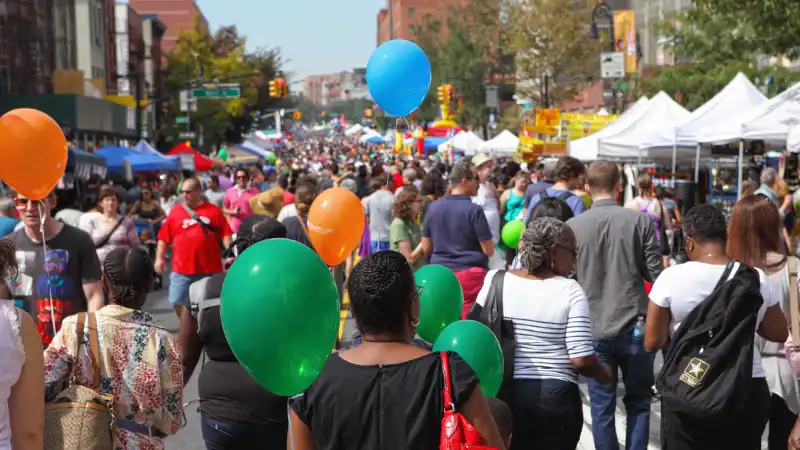
Fairs. Festivals. Street markets. Concerts in the park. Parades. Whatever your community calls these big community events, they’re more than just local fun; they’re prime opportunities for businesses to connect, grow, and get remembered.
But here’s the thing: just showing up with a folding table and some pens with your logo on them isn’t enough. If you want to make the most of these high-traffic, high-energy events, you need a game plan. Not just to be seen but to be worth remembering.
Let’s break it down.
1. Pick the Right Big Community Events (Not Just the Biggest)
It’s tempting to chase the biggest festivals in your area, but bigger isn’t always better. Think about who will be there, not just how many.
- A local county fair might be great for reaching families and farmers.
- An arts & crafts festival? Ideal for lifestyle brands, makers, and creatives.
- A PRIDE festival or Juneteenth celebration? Perfect for inclusive, community-focused businesses if you show up with authenticity.
Be strategic. If your audience isn’t there, you’re just another booth that people walk past while hunting for a corndog.
2. Be a Presence, Not Just a Vendor
Don’t think of it as “having a booth.” Think of it as hosting an experience.
The best setups don’t just sell; they engage.
- Offer something fun: mini games, photo ops, or interactive demos.
- Give people a reason to stop: not just swag, but something memorable (bonus points if it’s Instagram-worthy).
- Staff with personality: send your best people, those who can smile, banter, and hold a conversation.
If your booth is boring, you’re burning time and money. Make it an attraction, not an obligation.
3. Localize Your Brand
Nobody wants a generic pitch at a hyperlocal event. This is your chance to talk like a neighbor, not a national chain.
- Reference the town, the festival, or even the weather in your signage.
- Customize your giveaways to the event (e.g., fans for a summer festival, hand warmers at a fall fair).
- Use regional pride to your advantage. “Proud to serve [Community Name]” still goes a long way when it’s real.
Be local. Be relevant. Be part of the vibe.
4. Leverage Big Community Events Sponsorships (The Smart Way)
Sponsoring an event isn’t just about slapping your logo on the banner behind the funnel cake stand. If you’re going to write a check, make sure you’re getting value.
Ask:
- Can we have stage time or a live mention?
- Will there be a branded activity or giveaway?
- Can we collect emails or run a contest?
Make your sponsorship active, not passive. Visibility is good. Engagement is better.
5. Collaborate With Community Voices
You may not be part of every community represented at the event, but you can partner with people who are.
Think:
- Cross-promoting with a popular local vendor or food truck
- Sharing a tent with a local nonprofit or advocacy group
- Inviting local creators to your booth to livestream or post
This builds goodwill, extends your reach, and shows that you’re not just there to profit but to participate.
6. Follow Up or Fade Out
The fair ends. The tents come down. The crowd goes home. Now what?
Most businesses drop the ball right here. If you don’t follow up, all those conversations and smiles disappear into the dust of the parking lot.
- Send a “Great to Meet You!” email (you did collect emails, right?)
- Post event photos and tag people or other businesses
- Offer a post-event special to keep the momentum going
Your goal isn’t just to be seen. It’s to build relationships that last beyond the weekend.
7. Measure What Matters
After the event, ask, “Was it worth it?”
- How many people did you talk to?
- How many leads did you collect?
- How much did you sell (or how many people visited your site the following week)?
- Did you get social media engagement?
Track it. Learn from it. And adjust next time.
Bottom Line: Show Up to Big Community Events With Intention
Community events are a goldmine of visibility, trust, and relationship-building if you show up the right way. Not with a generic sales pitch, not as a background player, but as someone who actually wants to be part of the community.
Bring value. Bring energy. Bring authenticity. That’s how you tap into a community and stay top of mind, long after the fairgrounds are empty.
So yes, a mission statement is worth it if you write it with intention, revisit it often, and use it like the business compass it’s meant to be. Need help? That’s what we are here for. Contact TCHQ Communications today at 502-209-7619.
You must be logged in to post a comment.